Health and Safety Risks Caused by Small Animals in Commercial Facilities
Local contractors specializing in small animal removal can help mitigate health and safety risks caused by small animals in commercial facilities.
Visitors exploring concerns about health and safety risks caused by small animals in commercial facilities are in the right place. Small animals such as rodents, birds, and other critters can pose significant hazards to property integrity and the well-being of employees and customers alike. Property owners in the area may find it especially important to understand these risks to prevent potential health issues, structural damage, and contamination that can arise from unaddressed infestations. By learning more about how small animals can impact safety, readers can better appreciate the value of professional removal services offered by trusted local contractors who specialize in resolving these issues effectively.
Continuing through this page, readers will discover practical reasons to consider prompt action when dealing with small animal presence. Local service providers can assess the situation and implement targeted removal strategies to reduce health threats and safeguard the facility’s environment. Understanding the risks associated with small animals in commercial settings highlights the importance of professional intervention, and exploring available services can help property owners make informed decisions to maintain a safe, clean, and compliant space.
- Commercial facility inspections - local contractors assess buildings for signs of small animal infestations that pose health and safety risks caused by small animals in commercial facilities.
- Exclusion and sealing services - local service providers implement repairs to prevent small animals from entering, reducing ongoing health hazards in commercial environments.
- Wildlife removal and relocation - local pros safely remove small animals causing contamination or structural damage, helping mitigate health and safety risks caused by small animals in commercial facilities.
- Sanitation and cleanup - professionals thoroughly disinfect affected areas impacted by small animals to minimize health hazards and prevent disease transmission.
- Structural repairs and prevention - local contractors reinforce building entry points and repair damages to eliminate potential health and safety risks caused by small animals in commercial facilities.
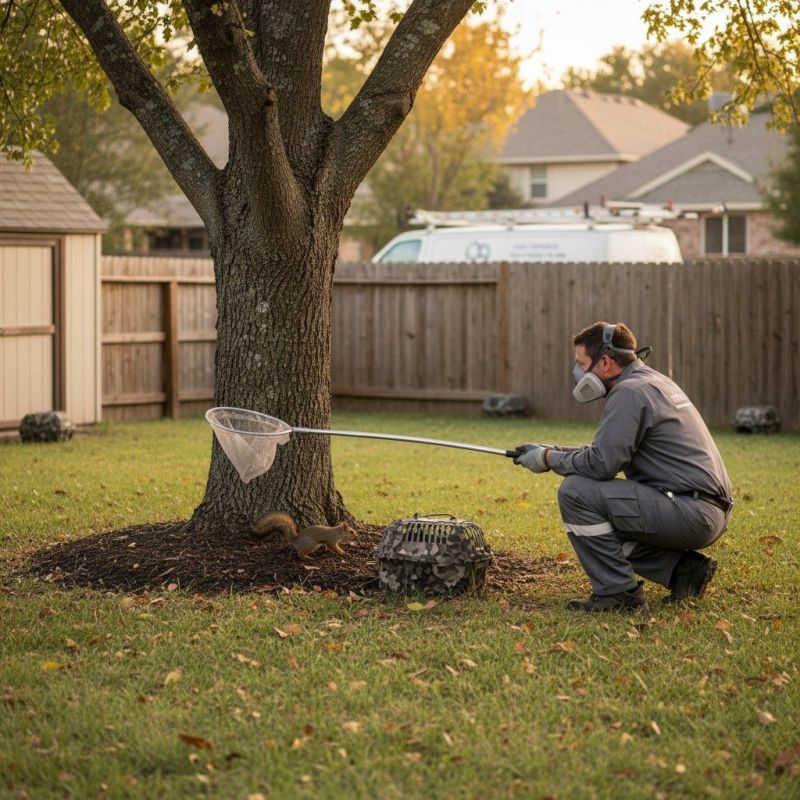
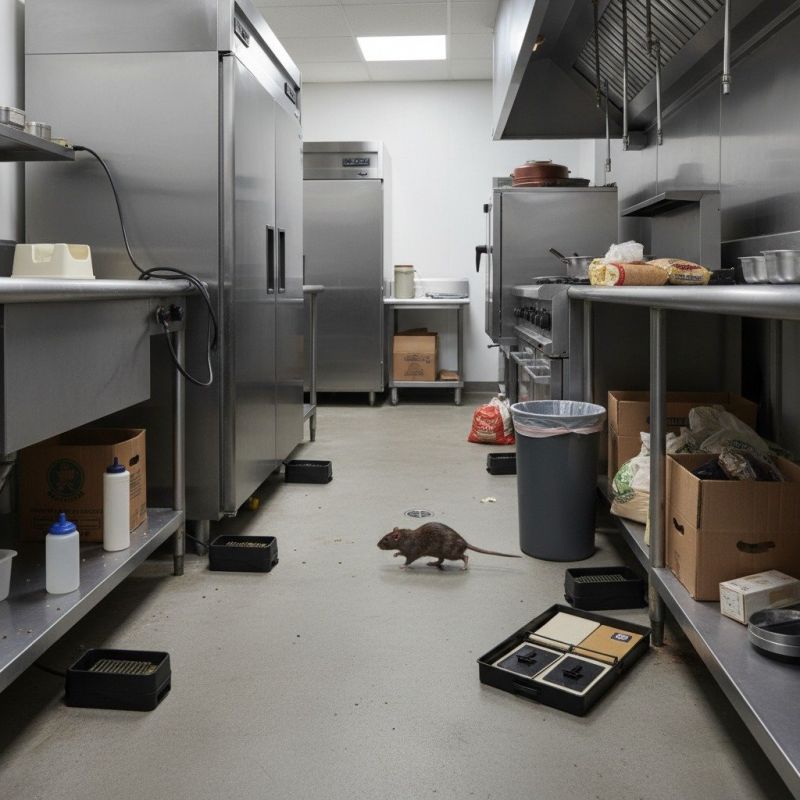
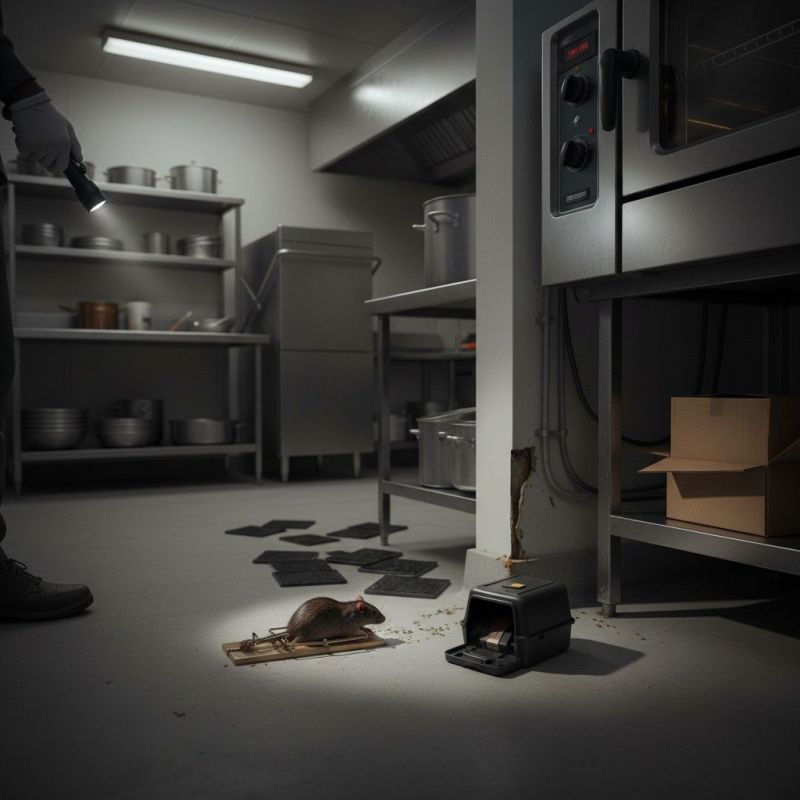
When searching for information about health and safety risks caused by small animals in commercial facilities, many people are concerned about the potential hazards these creatures pose to employees, customers, and the overall property. Small animals such as rodents, squirrels, or bats can create serious health concerns due to their droppings, urine, and nesting materials, which may carry diseases that can be transmitted to humans. Additionally, these animals often find ways to access ventilation systems, electrical wiring, and structural components, increasing the risk of fires, electrical failures, or property damage. Understanding these risks helps property owners recognize the importance of prompt action to address small animal issues before they escalate into safety hazards.
These concerns are closely related to plans for maintaining safe and compliant commercial environments. Businesses and property managers may develop pest control strategies that prioritize health and safety, especially in settings like warehouses, retail stores, or office buildings where large numbers of people gather. Small animals not only threaten health through contamination but can also cause physical damage that disrupts daily operations. Addressing these risks often involves inspections, exclusion work, and removal services to eliminate small animals and prevent future infestations. Coordinating with experienced service providers ensures that these efforts are carried out effectively, minimizing health hazards and reducing potential liabilities.
Various types of properties commonly encounter health and safety risks caused by small animals. Commercial facilities such as industrial warehouses, retail outlets, restaurants, and office complexes are particularly vulnerable because their size and layout can provide ample hiding spots and entry points for small animals. Food storage and preparation areas are especially sensitive, as contamination can lead to serious health violations. In addition, storage facilities and manufacturing plants are at risk of structural damage and operational interruptions if small animals compromise electrical systems or insulation. Recognizing the specific vulnerabilities of different property types helps owners and managers understand where professional removal services can make a significant difference in maintaining a safe environment.
Local service providers specializing in small animal removal play a crucial role in addressing health and safety risks in commercial settings. These professionals are equipped to identify entry points, assess the extent of a problem, and implement humane and effective removal methods. Their expertise helps property owners develop tailored plans that prioritize safety, prevent future infestations, and ensure compliance with health regulations. By working with experienced contractors, businesses can mitigate hazards associated with small animals, protect their staff and customers, and maintain a clean, safe environment. Connecting with local pros ensures that small animal issues are handled efficiently and professionally, reducing the health risks that can arise from unchecked infestations.
Commercial pest control projects involve identifying and managing infestations that can contribute to health and safety risks caused by small animals in commercial facilities, requiring similar planning and inspection skills.
Building inspection services focus on assessing structural vulnerabilities and entry points that small animals may use, aligning with the expertise needed for small animal removal and safety assessments.
Wildlife exclusion and entry prevention projects involve sealing and securing facilities against animal entry, which directly relates to reducing health and safety risks caused by small animals in commercial settings.
Facility sanitation and cleanup projects address contamination issues caused by small animals, requiring careful planning and understanding of safety hazards in commercial environments.
Rodent and pest habitat modification projects aim to eliminate nesting sites and food sources, paralleling the strategies used to mitigate health risks caused by small animals in commercial facilities.
Structural repair and sealing services involve fixing entry points and damaged areas, which are essential steps in controlling health and safety risks caused by small animals in commercial facilities.
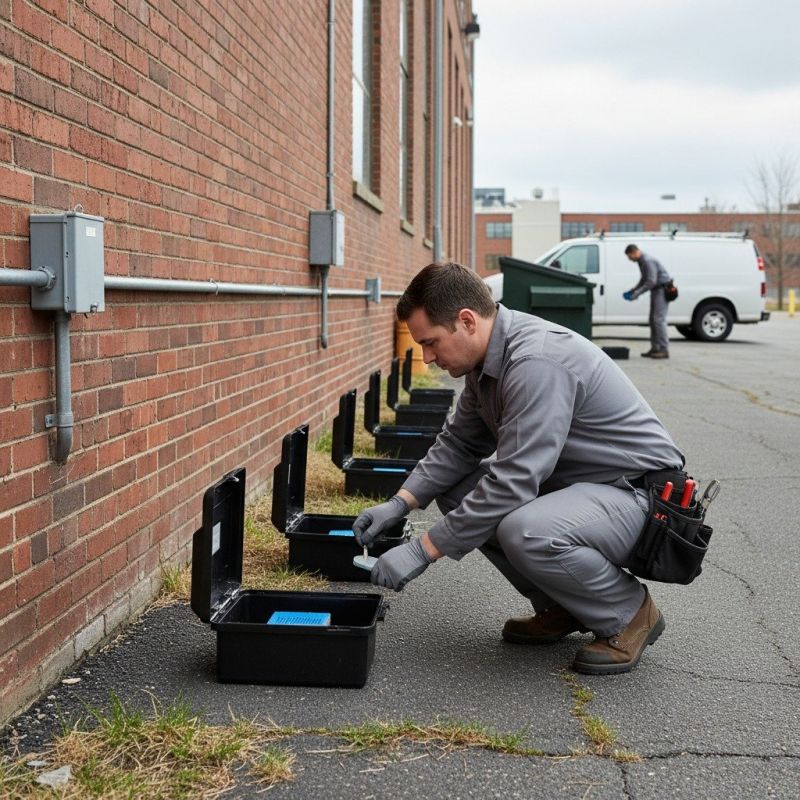
When evaluating service providers for addressing health and safety risks caused by small animals in commercial facilities, it is essential to consider their experience with similar projects. An established contractor with a proven track record in small animal removal can better understand the unique challenges that commercial environments present. Asking for references or examples of past work can provide insight into their familiarity with handling issues specific to similar facilities, ensuring that they are equipped to manage the health and safety concerns effectively.
Clear written expectations are a key factor when comparing local contractors. A detailed scope of work helps ensure that both parties are aligned on what the project entails, including the methods used for removal, sanitation, and prevention measures. This clarity can prevent misunderstandings and ensure that the service provider understands the importance of addressing health and safety risks thoroughly. When reviewing proposals or estimates, it’s helpful to look for documentation that outlines the process, responsibilities, and any follow-up steps to maintain a safe environment.
Effective communication is vital throughout the project to successfully mitigate health and safety risks caused by small animals in commercial facilities. Reputable service providers are transparent about their procedures and willing to answer questions or provide explanations about their approach. Good communication also involves timely updates during the work process and clear guidance on any precautions or actions needed after the removal is complete. Choosing a contractor who prioritizes open dialogue can help ensure that safety concerns are addressed promptly and that the facility remains secure and compliant with health standards.
Property owners often search for health and safety risks caused by small animals in commercial facilities when they are planning practical projects around their homes and businesses. Local pros provide Commercial Small Animal Removal services for everyday jobs and straightforward project options.
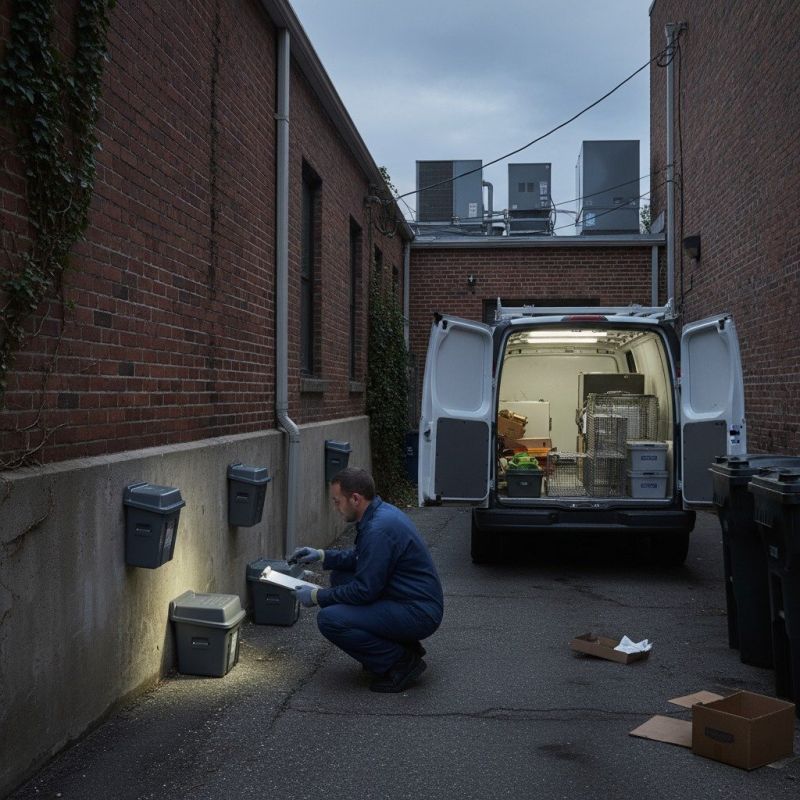
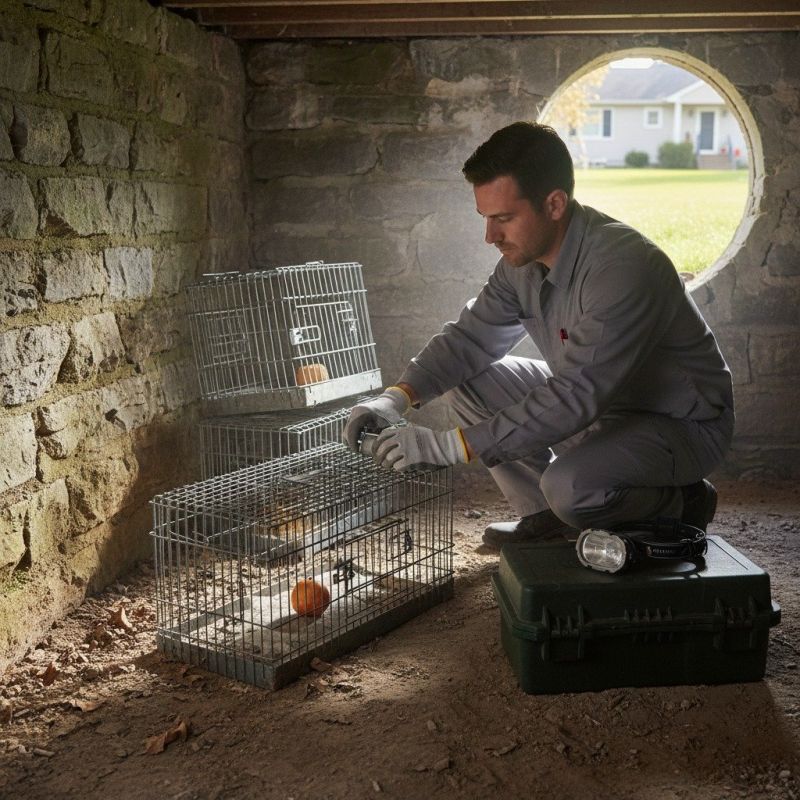
Small animals such as rodents, birds, and other wildlife can pose significant health and safety risks in commercial facilities. Their presence often leads to contamination of food supplies, equipment, and surfaces through droppings, nesting materials, and urine, which can spread diseases to employees and customers. Additionally, small animals may cause structural damage by gnawing on wiring, insulation, or building materials, increasing the risk of fire hazards or costly repairs. Property owners in the area might seek out commercial small animal removal services to address these issues promptly and effectively, helping to maintain a safe and hygienic environment.
In everyday project situations, unnoticed small animal activity can escalate into serious health concerns or operational disruptions. For example, an infestation in storage areas or behind walls can lead to foul odors, compromised sanitation, and potential health code violations. Local contractors specializing in small animal removal offer solutions to eliminate these risks, ensuring that commercial facilities remain compliant and safe for staff and visitors. Engaging experienced service providers can help property owners manage the problem efficiently and prevent future infestations, safeguarding both property value and health standards.
What health and safety risks can small animals cause in commercial facilities? Small animals such as rodents and insects can introduce diseases, cause structural damage, and contaminate food supplies, posing significant health and safety concerns in commercial environments. Local contractors specializing in small animal removal can help mitigate these risks effectively.
How do small animals threaten sanitation in commercial spaces? Small animals often leave droppings, urine, and nesting materials that can spread bacteria and pathogens, compromising sanitation standards. Professional removal services ensure proper cleanup and prevent health hazards related to sanitation issues.
What safety hazards are associated with small animals in commercial facilities? Small animals can create physical hazards like chewed wiring, which increases fire risks, or cause slips and falls due to debris and nesting materials. Local service providers can identify and eliminate these hazards promptly.
Why is it important to address small animal infestations quickly? Rapid removal reduces the risk of disease transmission, structural damage, and safety hazards, helping maintain a safe and compliant commercial environment. Local pros can provide timely removal to prevent escalation of health and safety risks.
What role do small animal removal services play in protecting employee health and safety? These services help remove small animals safely and thoroughly, reducing exposure to allergens, bacteria, and potential bites or scratches, thereby supporting a healthier workplace environment.
Identify entry points - property owners can work with local contractors to locate and seal small animal entry points, reducing health and safety risks caused by small animals in commercial facilities.
Implement exclusion measures - applying exclusion techniques with professional help can prevent small animals from accessing critical areas, minimizing contamination and safety hazards.
Schedule regular inspections - coordinating routine inspections with local pros helps detect early signs of small animal activity, addressing health and safety risks promptly.
Remove existing infestations - engaging experienced service providers ensures safe removal of small animals, reducing health threats and preventing damage to the facility.
If you are thinking about health and safety risks caused by small animals in commercial facilities for a property, this guide is meant to help you understand this topic, the typical project types, and how different options might fit your plans.
When you are ready, you can use the quote form on this page to share a few details about your project. From there, local pros can review the basics and follow up with options that match what you have in mind.